The influence of spotted lanternflies has reached the flavor of honey, and although the result can taste appealing, the way this change occurs is certainly not its strongest selling point, writes Brittany Shammas for The Washington Post.
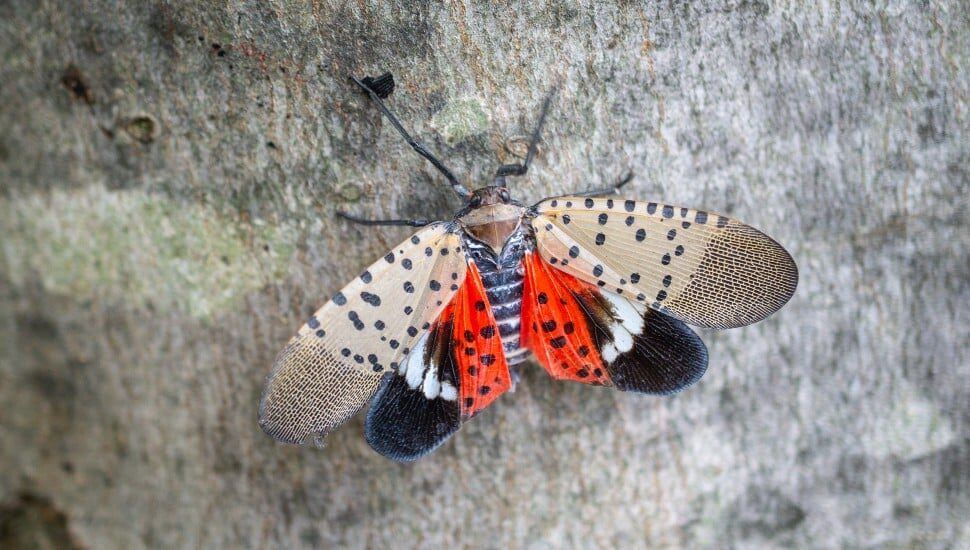
It turns out, honeybees are attracted to the sugary material left behind by spotted lanternflies after they feed during the summer and fall months. While the substance is called honeydew, it is essentially just lanternfly poop. Bees suck up the substance and bring it back to the hives, where it is treated like nectar.
This darker, unique honey has caught the attention of beekeepers. The phenomenon first appeared in Pennsylvania a few years after the invasive insect was detected in 2014.
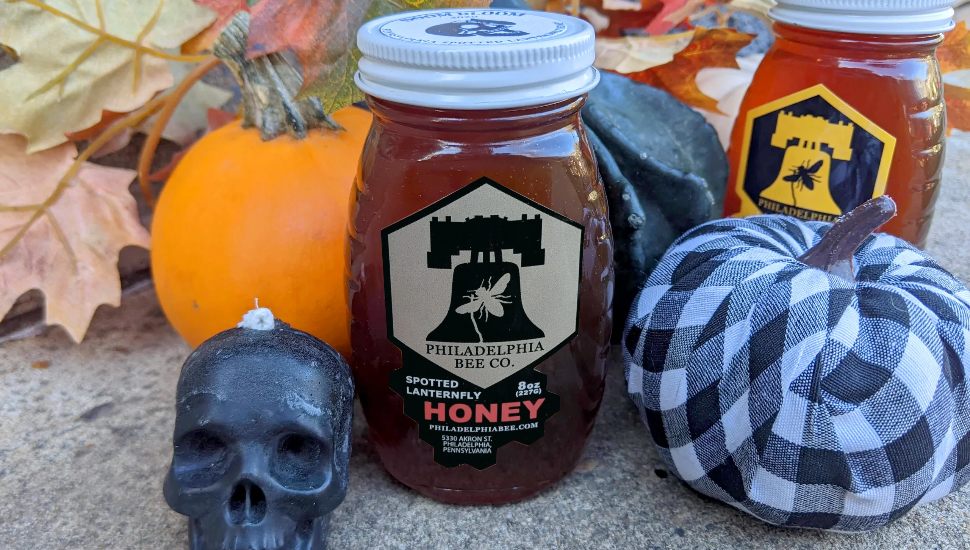
The honey has since traveled to Copenhagen to be sampled at an international apiculture conference and is sold as a niche product in Pennsylvania and beyond. Philadelphia Bee Co., which often sells out of its stock, named the variety Doom Bloom.
Scientists are studying it for potential benefits, with promising results.
“It’s getting to be the buzz around the world,” said Carla Marina Marchese of American Honey Tasting Society.
Read more about the interesting rise of lanternfly honey and see how you can try it (if you dare), at The Washington Post.
_______
Editor’s Note: This post was originally published on VISTA.Today in December 2025.