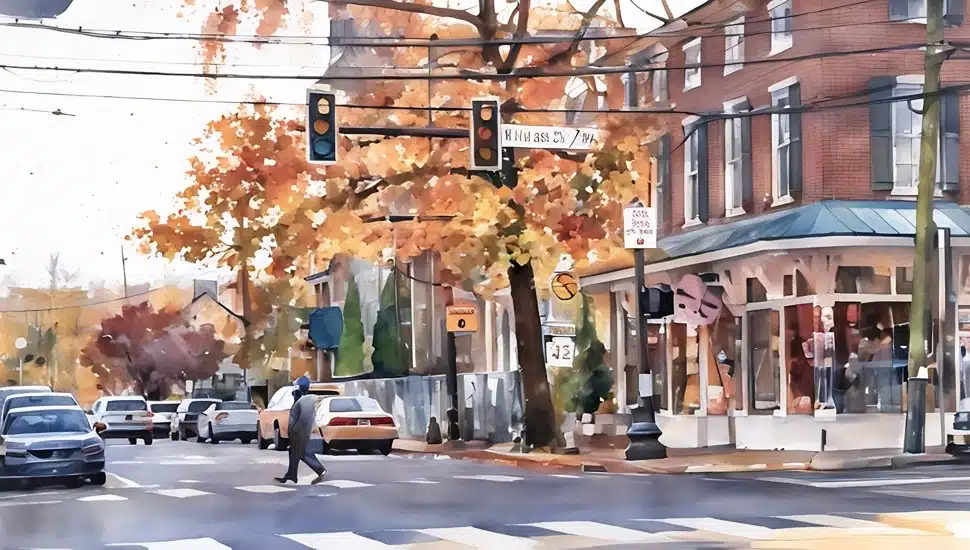
Walk through New Hope on any weekend and you feel it before you can explain it. Something about the place hums.
Galleries tucked into 18th-century storefronts.
Live music spilling out of open doors.
Theater companies, sculptors, photographers, and painters all sharing the same few walkable blocks along the Delaware.
What most visitors do not know is that none of this happened by accident.
It happened because of a decision one painter made in 1898.
The Artist Who Started It All
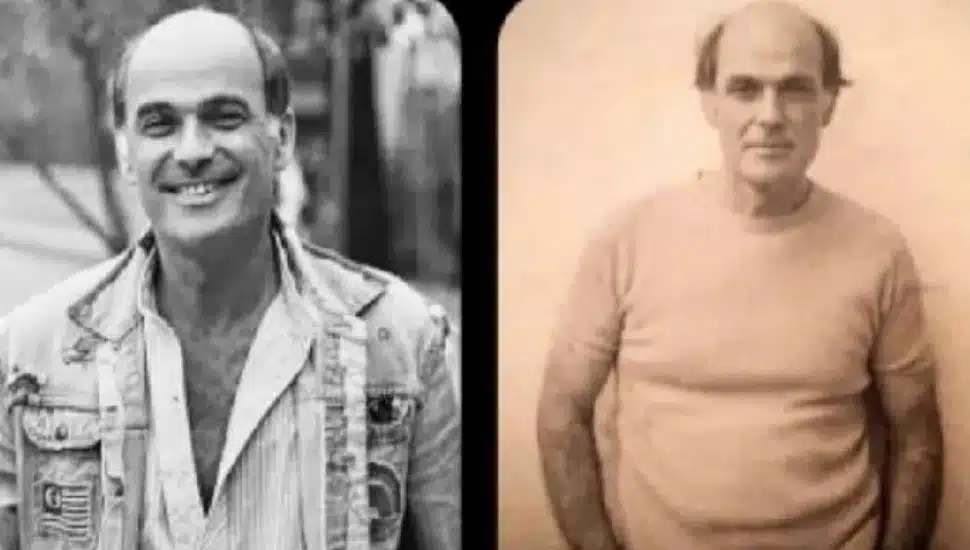
William Langson Lathrop arrived in Solebury Township, just outside New Hope, not because of any grand artistic vision.
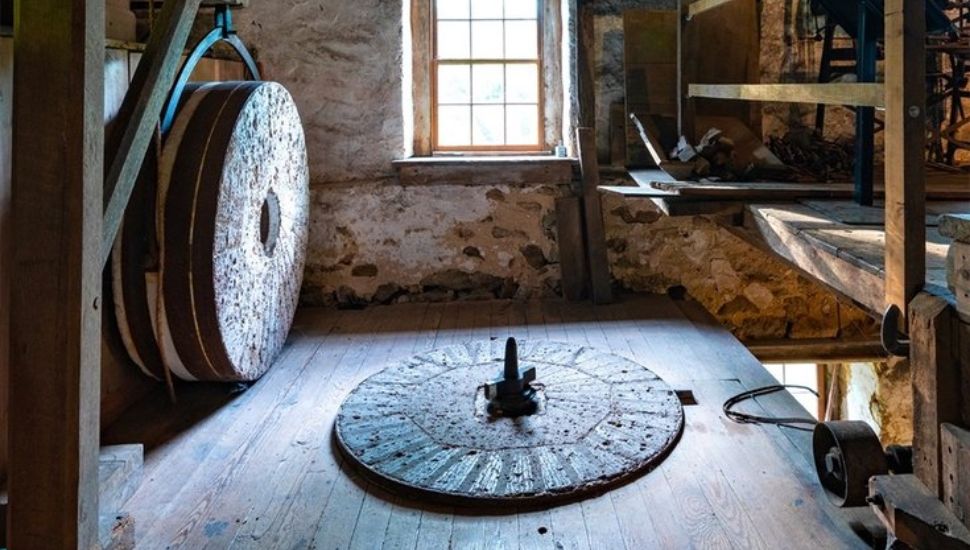
He came because his childhood friend, Dr. George Morley Marshall, owned an abandoned grist mill on a stretch of land so beautiful it stopped people in their tracks: the Delaware River, rolling hills, farmland, and wooded landscape that seemed to belong to another century.
Lathrop stayed. Others came to find him.
A tonalist by temperament, Lathrop preferred quiet, muted landscapes painted in the studio rather than outdoors.
But his reputation as an artist and teacher drew painters with a bolder approach.
Edward Redfield and Daniel Garber arrived and helped build what became known as the Pennsylvania Impressionist movement, a distinctly American response to the European tradition that earned national recognition and brought collectors, students, and fellow artists streaming into the region.
The colony was never exclusively male or exclusively Impressionist.
Fern Coppedge, Mary Smyth Perkins, and M. Elizabeth Price were among the artists drawn to the area and became founding exhibitors when Phillips’ Mill held its first juried show.
Their presence reflected a community that was, from the beginning, broader than its most famous names suggest.
The ambition of the colony also took physical form.
Artist Morgan Colt purchased land from Lathrop and built a Cotswold-style English village between River Road and the Delaware, complete with stone cottages, a Gothic studio, and hand-forged ironwork, designed specifically to house and support working artists.
It still stands today, one of the most remarkable and least-known artifacts of the colony’s early years.
The community that gathered here even attracted Albert Einstein, who visited Phillips’ Mill during the colony’s heyday.
New Hope was not discovered by tourists. It was discovered by artists.
When the Colony Nearly Lost Its Way
The story is not one of unbroken triumph.
After the 1913 Armory Show introduced Cubism and abstraction to American audiences, a younger generation of Modernists arrived in the region.
They saw art differently than the established Impressionists.
The two factions coexisted in creative tension, and that friction ultimately pushed the community forward rather than tearing it apart.
The colony developed an evolving identity rather than a fixed one, which is part of why it survived.
In 1929, the New Hope Group formally organized and purchased Phillips’ Mill from Dr. Marshall, founding the Phillips’ Mill Community Association.
What had started as informal Sunday afternoon teas on the Lathrop lawn, artists and neighbors trading ideas over tea cups, had become a lasting institution.
Sitting in Solebury Township just outside downtown New Hope, Phillips’ Mill remains the creative heart of the broader region’s arts community nearly a century later.
Bucks County’s own James Michener, whose novels include Hawaii and Chesapeake, grew up connected to this world. He affectionately called them “that New Hope Gang.”
His legacy endures at the Michener Art Museum in Doylestown, which exists in part because of the artistic foundation this colony built.
A Living Arts Community
As New Hope’s reputation grew, the economy followed. Galleries multiplied throughout town.
Bucks County Playhouse became one of the region’s signature cultural institutions.
Restaurants, inns, and shops built their livelihoods around visitors seeking something they could not find at an ordinary destination.
The arts stopped being just a cultural asset. They became the local economy.
Today, New Hope is not a town that simply tends a museum version of its past.
Artists still live and work there.
Theater, live music, photography, sculpture, fine crafts, and contemporary art all contribute to a creative atmosphere that visitors feel the moment they arrive.
More than 125 years after Lathrop first walked the banks of the Delaware, the legacy of that original colony remains woven into the streets, galleries, and riverfront of New Hope.
New Hope’s greatest achievement is not that it became an art town. It is that it still is one.