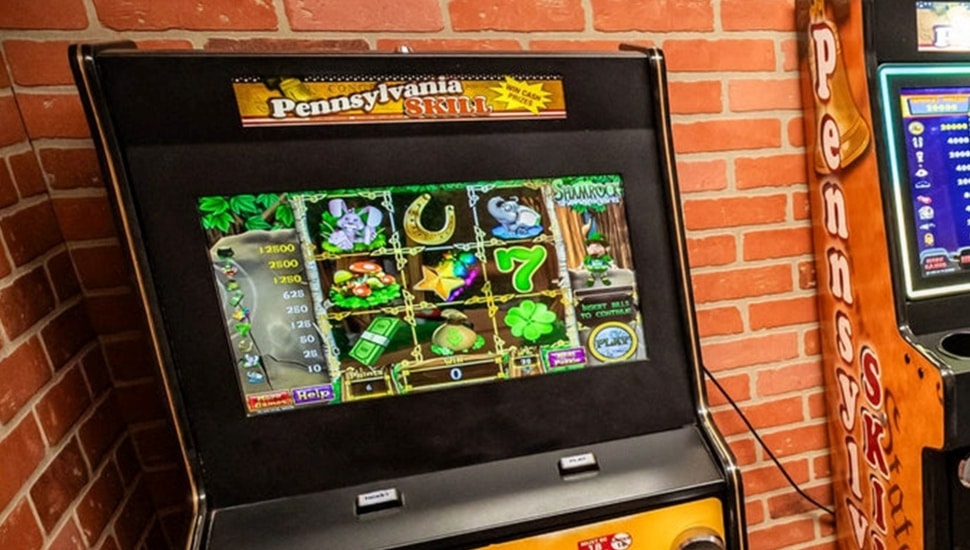
For the past seven years, Parx Casino, along with the entire casino industry, has told everyone who would listen that so-called skill games are nothing more than illegal slot machines.
Now, in a forceful and definitive decision, the Supreme Court of Pennsylvania has validated what Parx and common sense has been saying all along: these machines are illegal under Pennsylvania law and may not continue operating without regulation, gaming taxation, and protections for Pennsylvania consumers.
While the legal process played out, these games proliferated across Pennsylvania, bringing with them crime, money laundering, and compulsive and underage gambling, all of which the legislature sought to mitigate when passing the original Gaming Act in 2004.
Parx Casino has borne the brunt of this fight. Like all of Pennsylvania’s casinos, we have lost significant revenues to illegal slot machines. More egregiously, Parx has been on the other side of several frivolous and costly lawsuits because we stood firm in the face of enormous pressure from skill gaming interests trying to protect their profits.
In fact, the leading skill games company, POM of Pennsylvania, sued Parx’s lobbyists for allegedly interfering in POM’s business because our lobbying team had the courage to raise their hand and point out that these were illegal gambling devices.
Recently, skill games actors bankrolled primary candidates in a bid to unseat three Pennsylvania senators, who supported legislation to regulate and tax these games. Fortunately, these three lawmakers were able to fight off scorched-earth campaigns and retain their seats.
When leaders of the state Senate requested that the casinos and POM meet to discuss compromise legislation, the casino representatives showed up. POM no-showed the Senate leadership. They didn’t want to even discuss a potential compromise because it would be less profitable.
POM claims to be on the side of small businesses. Nothing could be further from the truth. POM and the entire skill games industry sold these small businesses a bill of goods when they maintained these games were legal and not subject to gaming taxes and regulation.
POM claims that these businesses are the victim. The real victims are the taxpayers of Pennsylvania. Casinos pay more than 50 percent of their gross slot machines revenues in taxes, 34 percent of which funds property tax relief programs.
Our estimates show that, annually, skill games have drained more than $250 million in total casino gaming taxes from the state that could have funded property tax relief and local and county programs. Pennsylvanians are the real victims of these illegal games.
We recognize that these businesses have come to rely on this revenue but the idea that paying taxes on games creates a no-win situation for these small businesses is patently false.
Casinos, large and small, as well as video lottery terminal operators with machines in truck stops, pay significant taxes, are regulated by the Pennsylvania Gaming Control Board, and have found a way to be profitable, pay our team members good wages and benefits, and reinvest in our communities.
It’s unfortunate that these small businesses got taken in and became dependent on an unregulated and untaxed form of gambling. History has shown that unregulated and untaxed gaming fosters criminal behavior and the last seven years of skill games in Pennsylvania have further proven that case.
If lawmakers decide to expand gaming, the skill games industry needs to play by the same rules that the rest of us have been successfully playing since 2006. If they can’t, they shouldn’t be allowed to play at all.
_____________
Eric L. Hausler is the CEO of Parx Casino, which operates in Bensalem in Bucks County and Shippensburg in Cumberland County.