George Washington’s 1776 crossing of the Delaware foreshadowed both the birth of a nation and the dawn of human-caused climate change, reports David Schechter for CBS News Philadelphia.
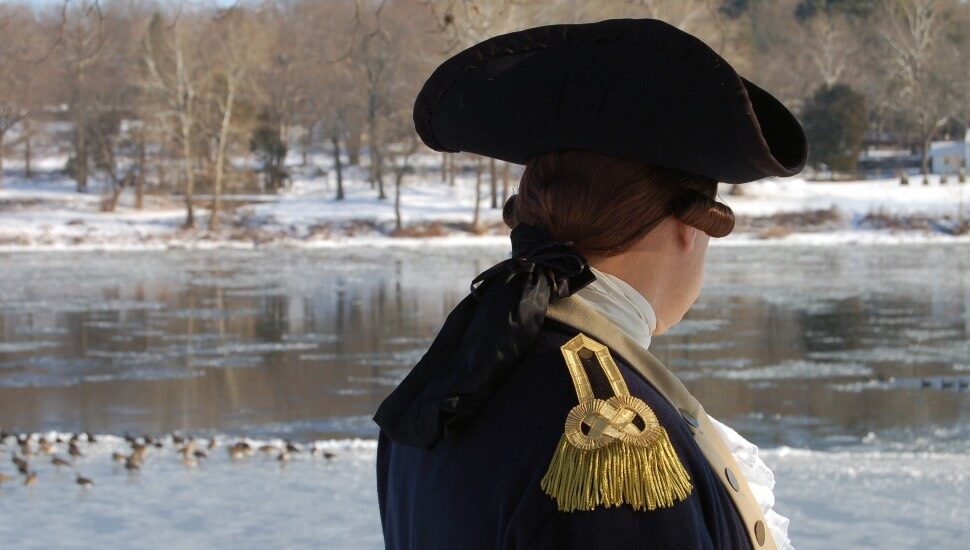
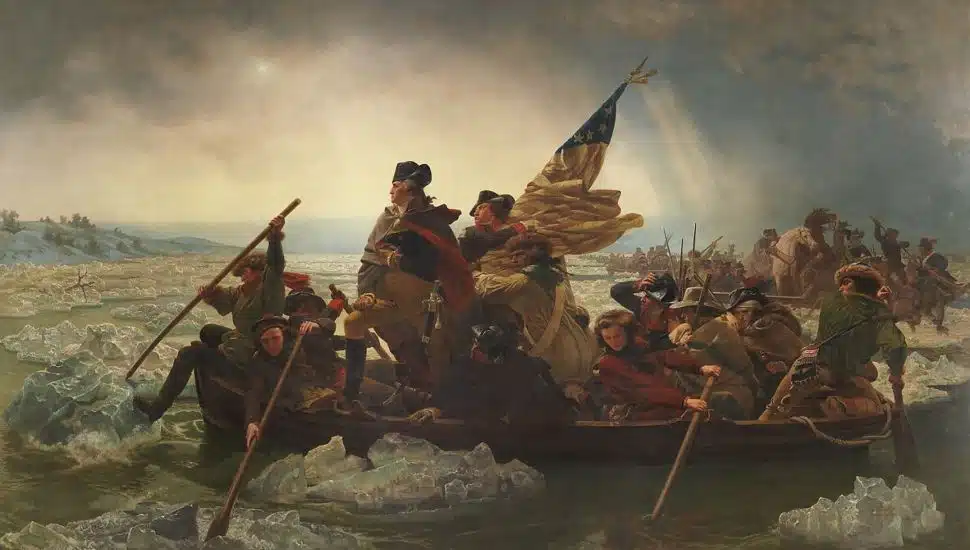
The painting “Washington Crossing the Delaware” emphasizes the frozen river that was crucial in Washington’s plan, according to Alex Robb, an educator at Washington Crossing Historic Park.
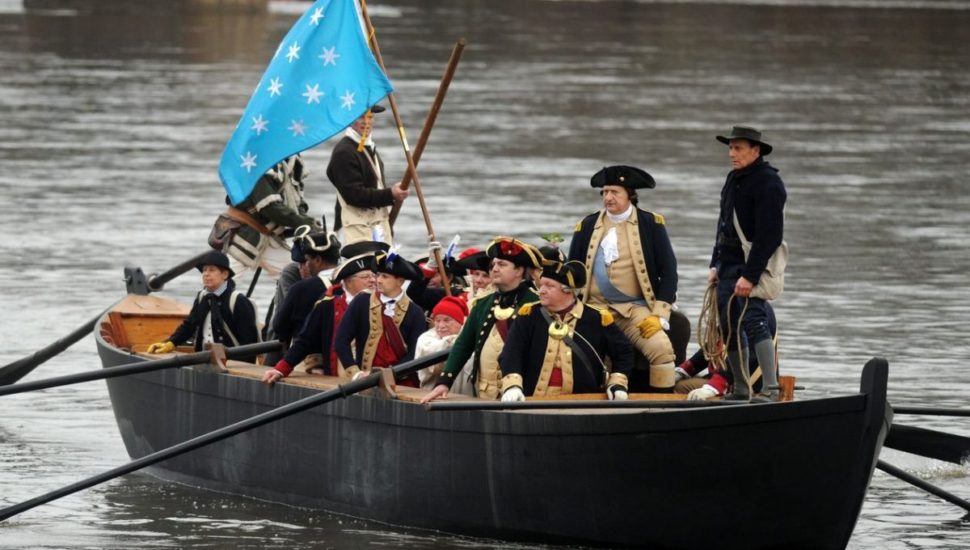
Facing a near-collapsed army, Washington crossed on Christmas while the enemy assumed it was too dangerous. His bold move led to victory and showed the war was far from lost.
“Looking back, had the weather proven more mild, they most definitely would’ve encountered resistance outside Trenton,” said Robb.
Back then, cold winters were the norm. Temperatures have steadily increased since, making winters 5.5 degrees warmer than they were as recently as the 1970s.
Change began in the 1800s when humans started burning fossil fuels. From the Industrial Revolution onward, roughly around the time of the American Revolution, power plants have released massive amounts of carbon dioxide from oil and gas, fueling warmer temperatures and worsening floods, droughts, and fires.
It turns out that when Washington looked at the icy river, he was writing the story of America but also presaging the beginnings of climate change.
Learn more about how Washington’s famed Delaware River crossing foreshadowed climate change at CBS News Philadelphia.
_______