
In 1987, I got into Carnegie Mellon’s graduate program — but they suggested I join a summer bridge course first.
My background was in Journalism and Political Science, so I hadn’t taken some of the classes needed for the graduate program. The summer program helped me catch up and start the fall semester on equal footing. It wasn’t a setback; it was support.
When classes started in the fall, a white student asked me, “Why did you get to do that summer program?” I was stunned. He saw equity as unfair, even though he’d already had the chances I hadn’t and had already taken the courses he needed for the graduate program. That moment hurt because I was proud of the sacrifice and the achievement I had made over the summer, but I kept moving forward anyway.
In a world where “equity” and “equality” are often used interchangeably, understanding the distinction isn’t just semantic but rather essential. At a time when diversity, equity, and inclusion efforts are under political siege, it’s critical we return to first principles: equity isn’t about special treatment. It’s about fair treatment, and there’s a difference.
Equality vs. Equity: A False Equivalence
Equality assumes everyone is starting at the same starting line when the gun goes off to begin the race. Equity, by contrast, recognizes that in life, some people start at 10 meters, some start at 20 meters, and some start 5 meters behind the starting line. A one-size-fits-all approach often benefits those already ahead.
Equity Doesn’t Favor — It Corrects
Too often, equity is dismissed as a handout or preferential treatment. That’s not just wrong — it’s dangerous. Equity isn’t about giving more to some; it’s about removing obstacles that shouldn’t have existed in the first place.
Privilege is rarely visible to those who have it. If you’ve never had to fight to be heard, never had to prove your right to be in the room, or never faced systemic hurdles just to compete, chances are, you’ve benefited from structures that didn’t treat everyone the same. Equity asks us to notice that and act.
Meritocracy Without Equity Is a Myth
There’s a seductive simplicity to the idea that success should be earned purely on merit. But what happens when some people never had the chance to develop that merit? When the path to excellence is blocked by underfunded schools, inaccessible networks, or unconscious bias, meritocracy becomes a mask for privilege.
If we want to truly reward talent, we have to be willing to nurture it everywhere, and that requires equity. Because the best candidate doesn’t always have the most polished resume. Sometimes, it’s the person who rose despite every obstacle and could rise even higher with a fair shot.
Equity in Action: Not Charity, But Strategy
Equity cultivates leadership, unlocks innovation, and creates environments where people don’t just survive but thrive. This isn’t just nice to do; it’s a competitive advantage for any business, institution, or entity.
The systems we’ve inherited weren’t designed with everyone in mind. That’s not an accusation — it’s a reality. And while we can’t rewrite the past, we can redesign the future.
The Bottom Line
Inequity drains potential. It silences voices. It costs talent, trust, and growth. But equity? Equity multiplies it. It’s not about making things easier for some; it’s about making success possible for all.
So let’s stop asking people to beat the odds — and start changing the odds. Because when equity leads, everyone moves forward.
Let’s not wait for fairness to happen. Let’s build it!
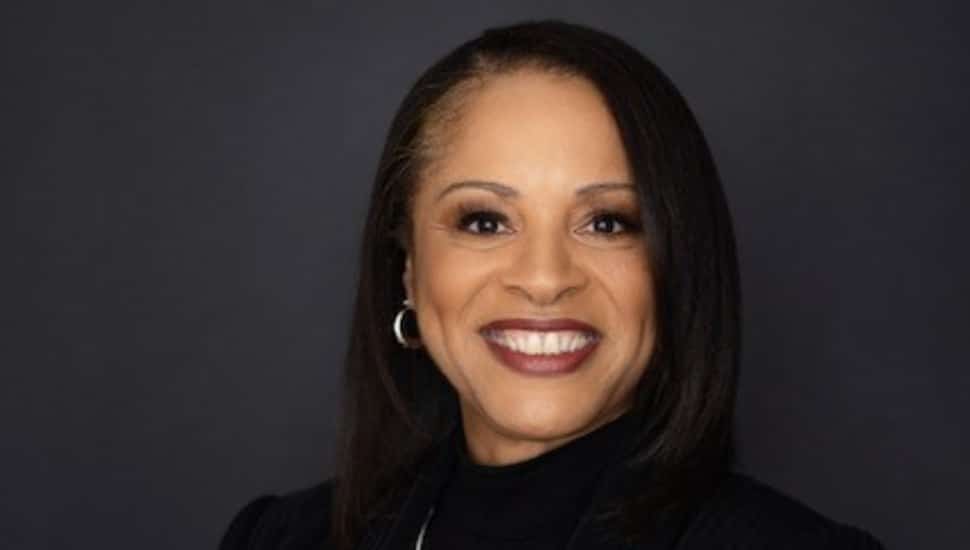
Learn more at Celeste Warren Consulting. With a remarkable career as a C-Suite Executive at one of the world’s top Fortune 50 corporations, Warren has established herself as a transformative force in corporate culture. She led the Global Diversity & Inclusion Center of Excellence for over ten years, where she played a pivotal role in reshaping her company’s internal culture and influencing the broader business landscape. Her visionary approach has empowered organizations to embrace inclusivity as a cornerstone of success, inspiring countless individuals and organizations to commit to meaningful change.