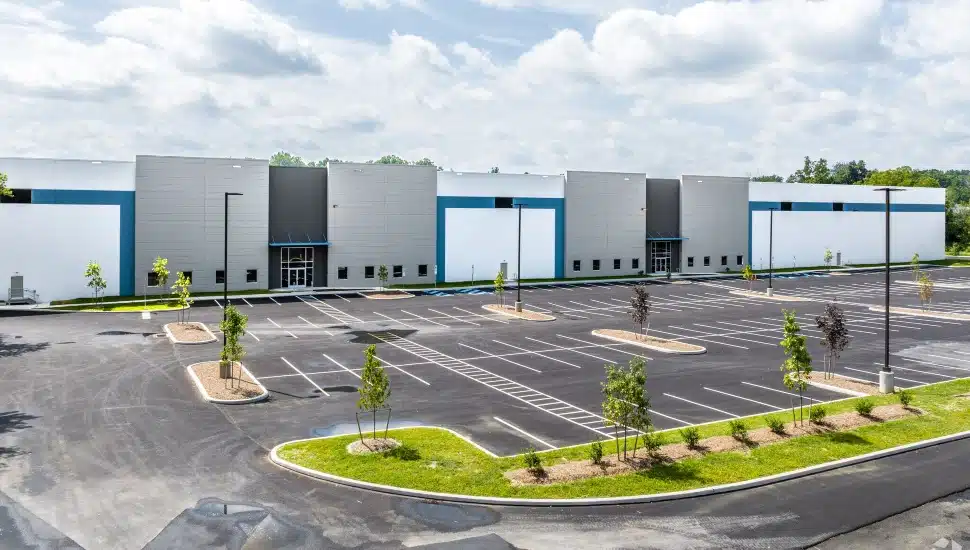
Due to an e-commerce boom, Pennsylvania has become a warehouse and logistics powerhouse, but some local communities are rising against the trend, writes for the City and State Pennsylvania.
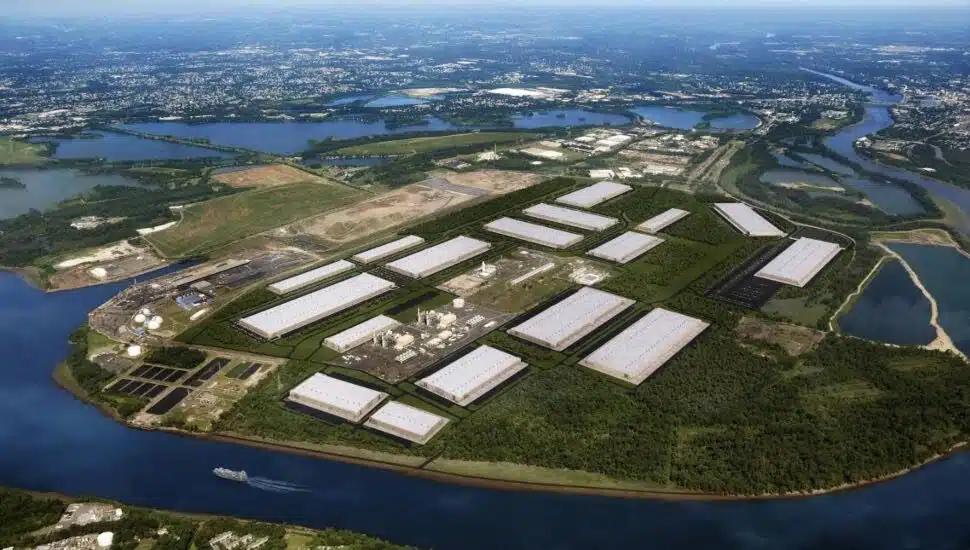
Pennsylvania’s dominance in the logistics industry is largely driven by its unique location and robust infrastructure. According to the state Department of Community and Economic Development, the state boasts a 120,000-mile highway network, 64 railroads, three major ports, and six international airports. Additionally, light zoning restrictions and plenty of affordable land contributed to Pennsylvania’s rise as a prime warehouse location.
“Particularly in Southeastern Pennsylvania – this area is very close to a big portion of the U.S. population,” said Moira Conway, a professor of geography at Kutztown University of Pennsylvania.
In recent years, more Pennsylvanians have begun opposing various industrial projects in their neighborhoods. They cite concerns such as light pollution, noise, traffic, and other factors that could negatively impact their quality of life.
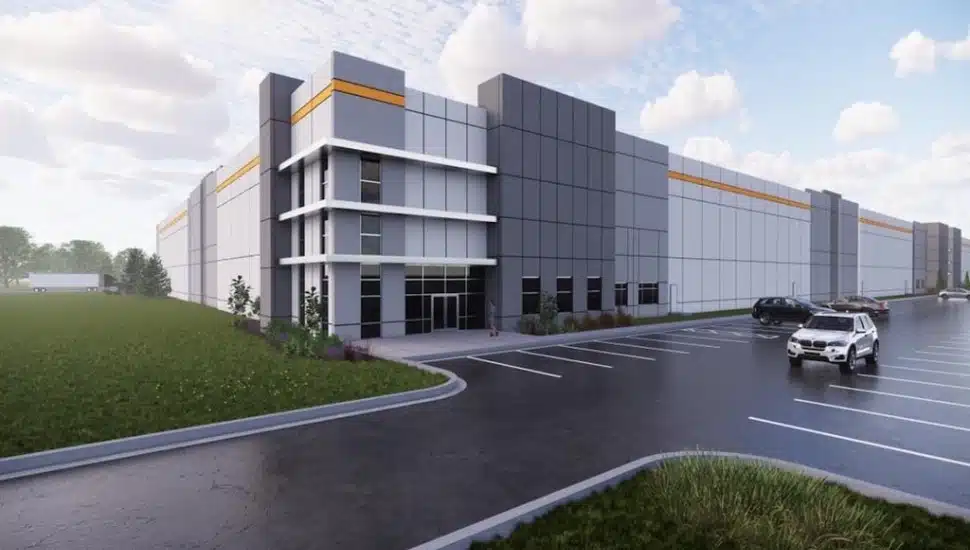
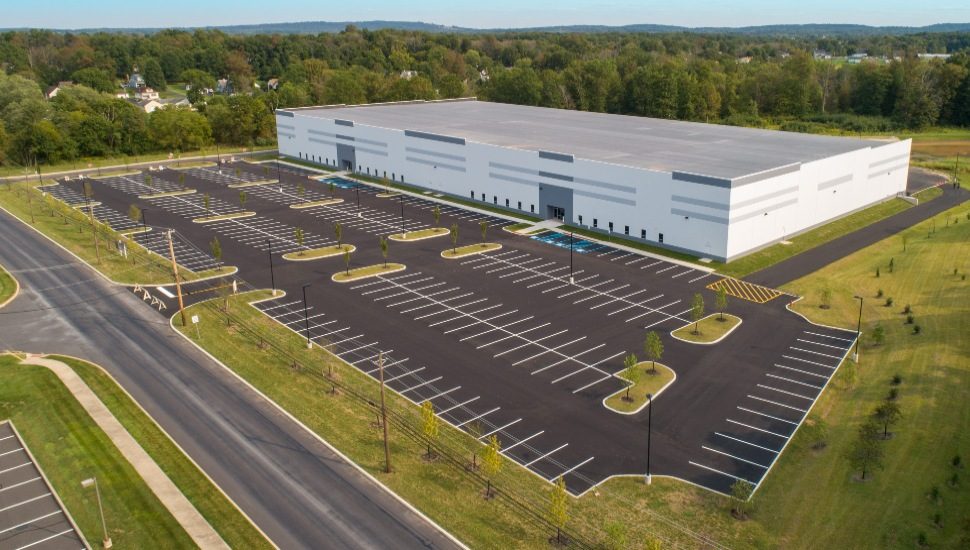
“The main community concern is usually traffic, and then also the conversion of usually farmland or forestland into a massive featureless box, for lack of a better term,” said Brigitte Meyer, a staff attorney for PennFuture, an environmental advocacy organization.
Read more about the pros and cons of Pennsylvania’s status as a warehouse and logistics powerhouse in the City and State Pennsylvania.
_____
Warehouses are replacing open land as demand for faster delivery and resilient supply chains surges. In places like Pennsylvania’s Lehigh Valley, proximity to consumers, ports, and highways is driving record industrial growth, even as communities push back.
Editor’s Note: This post first appeared on BUCKSCO Today in April 2025.