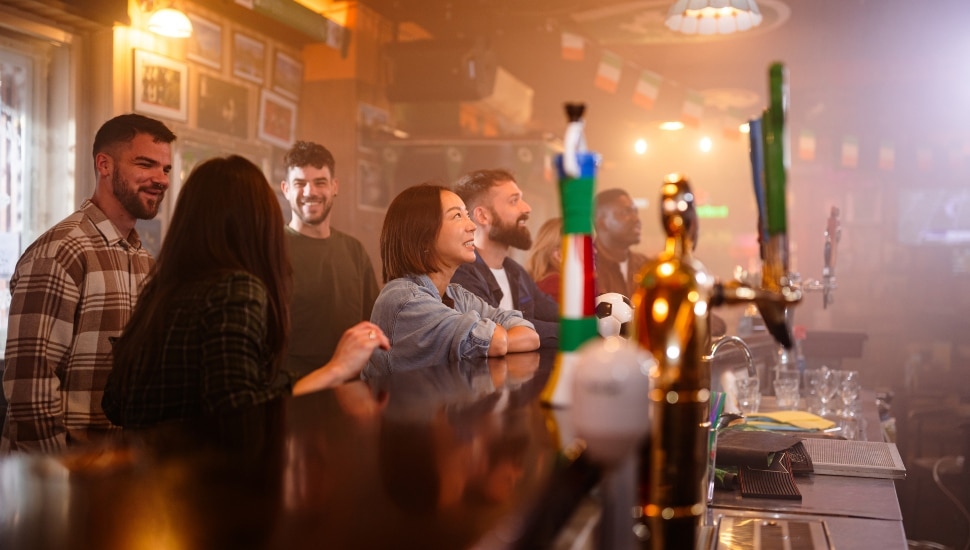
Philadelphia recently gained approval on a legislative bill that will allow local bars and restaurants to continue serving drinks until 4 a.m., extending its curfew from 2 a.m.
While the extended curfew is temporary, Philadelphia’s night time economy and business development director Raheem Manning is also making efforts to update the city’s zoning code, writes Noah Zucker for BisNow.
Among the updates includes the definition of a nightclub.
Until December 2023, any Philadelphia restaurant that added live music was, by definition, a nightclub. This meant that these establishments would also face new regulations, and in some cases, enforcement and fines from the city.
“They need a license or zoning, and sometimes that zoning wasn’t allowed in the place you were,” Manning said.
Being that Philadelphia is a relatively dense city, many of the city’s liveliest nightlife establishments are nearby many people’s homes. This is becoming increasingly true as the city seems a boom in multifamily development projects.
As a result, Manning is hoping for zoning updates that will allow these venues to remain rather than get pushed out when the nearby area gets redeveloped, which has happened.
A potential law addressing this would require the developer be responsible for mitigating any potential impact a new project would have existing businesses.
Read more about the city’s efforts to look into its current zoning ordinances at BisNow.
_____
Editor’s Note: This post was originally published on PHILADELPHIA.Today in March 2026.