March is Women’s History Month, making it the perfect time to reflect on some of the impressive achievements and lasting contributions of historic women with ties to Bucks County.
Pearl S. Buck (1892-1973)
Though Buck was initially born in West Virginia and then raised in China, she moved to Green Hills Farm in Perkasie in 1934. She was awarded the Nobel Prize in 1938 for her book, The Good Earth, becoming the first American woman to receive the Pulitzer Prize and Nobel Prize for Literature.
Along with writing almost 100 books throughout her life, Buck was a humanitarian and a fierce supporter of the Civil Rights Movement. She also founded The Welcome House Adoption Agency, the first agency dedicated to assisting biracial children find homes.
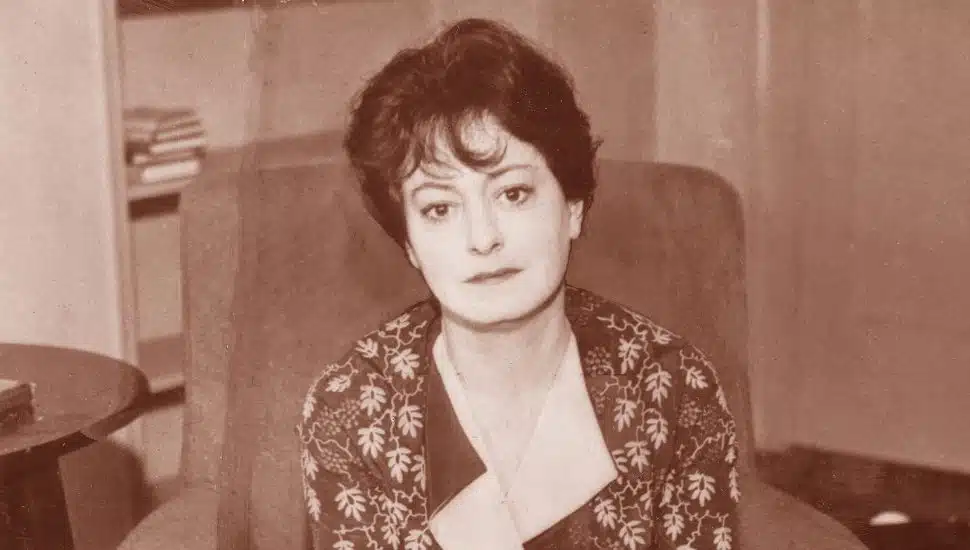
Dorothy Parker (1893-1967)
Parker was a writer and critic best known for her wit, beginning her career at Vogue and Vanity Fair in her early 20s. In 1936, she moved to Pipersville, where she lived for twenty years.
She, Robert E. Sherwood, and Robert Benchley helped form the Algonquin Round Table, and Parker went on to publish poems and short stories. She and her husband, Alan Campbell, wrote the screenplays for The Little Foxes and A Star is Born.
Parker also dedicated her life to activism. She was a staunch supporter of the NAACP, leaving her estate to the organization after her death, and helped form the Hollywood Anti-Nazi League.
Margaret Mead (1901-1978)
Before becoming a renowned cultural anthropologist, Mead grew up in Doylestown, attending Buckingham Friends School in her youth. She later popularized the field of anthropology, publishing her first work, Coming of Age in Samoa, at just 23 years old.
Her book’s discussion on cultural determinism, the idea that culture, rather than genetics, determines human behavior, was revolutionary. Mead’s work directly impacted Western discussions on parenting, gender, and sexual practices in the twentieth century. She was also an advocate for women’s rights, nuclear disarmament, and environmental conservation.
Gladys Nickleby Nelson (1921-2003)
Registered nurse Nelson lived with her husband and three children in Doylestown, where she worked as the first African American employed in the Doylestown Borough School System.
During her time working in the Central Bucks School District in the 1950s, the polio epidemic was affecting children around the country.
Nelson worked to open the very first Polio Inoculation Clinic in the country, bringing in doctors, nurses, and volunteers to assist with the distribution of the vaccines. She was praised for her actions and asked to help with opening additional clinics.
She was dedicated to serving those in need and was also involved in both the Red Cross and Easter Seals.
Hannah Callowhill Penn (1671-1726)
Second wife to the founder of Pennsylvania, William Penn, Hannah lived with William and their children at Pennsbury Manor in Morrisville.
When her husband was left paralyzed after suffering several strokes, she took on his role as governor, performing administrative duties for Pennsylvania. She continued to do so after his passing, as requested in William’s will, serving as the province’s governor for fourteen years.
William Penn Jr. attempted to take legal action against her, but Hannah won against him. In 2013, President Barack Obama named her the state’s first female governor.
Bucks County has served as the home to several women with lasting legacies whose contributions won’t be forgotten.
_______