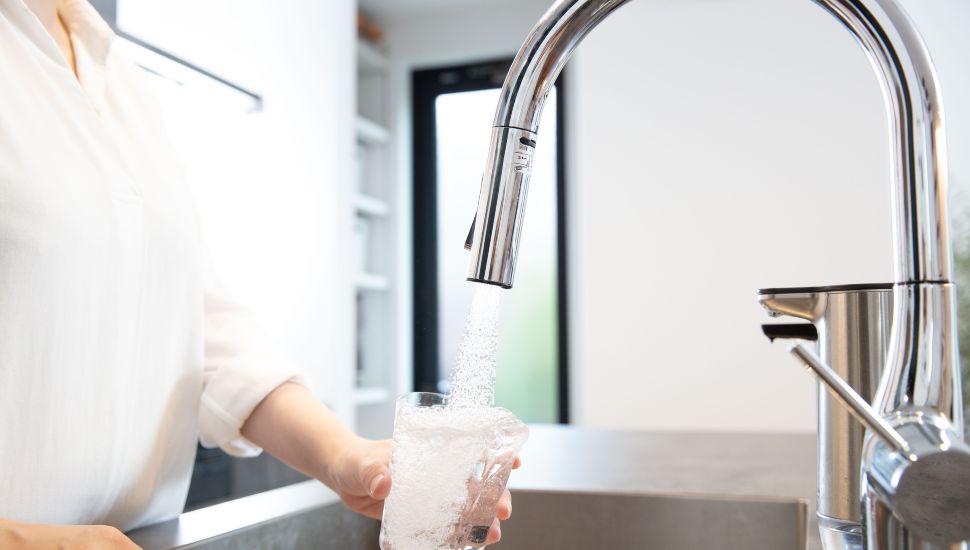
On a recent overseas trip, half our group got a stomach bug from poorly treated water. It was a blunt reminder of something we usually take for granted: safe tap water!
For residents of the Audubon section of Lower Providence Township, where I live, the local water system had become a growing concern for both officials and residents. Not only was the aging, poorly maintained infrastructure struggling to maintain hydrant pressure for fire protection, but we also had to think twice before filling a glass from the tap because water safety reporting was often late, and when reported, out of compliance. Most concerning, PFAS, a so-called “forever chemical”, was present at levels that exceeded new state Pennsylvania Department of Environmental Protection (DEP) standards.
PFAS aren’t just another pollutant. They’re a large class of synthetic chemicals used for decades in products like nonstick cookware, stain-resistant fabrics, and firefighting foams. They persist in the environment and accumulate in the human body, contaminating water systems nationwide. Decades of research linked PFAS exposure to cancer, reproductive harm, immune system effects, and elevated cholesterol. Despite this, industry lobbying downplayed risks and fought off stronger standards, leaving people with few protections while contamination spread unchecked. Including in drinking water.
As an elected Township Supervisor, I had to decide whether to support Pennsylvania American Water’s proposed purchase of the small, privately owned system that served my part of the Township. The downside was obvious: investing in long-overdue upgrades and better operations would come with a cost. The alternative of creating a Township Water Authority to buy a small, struggling system lacked the economic scale to be a practical, cost-effective choice.
In the end, the choice was obvious: invest in a healthier system or continue to worry about legitimate health risks and inconsistent water pressure that could no longer be trusted. I concluded that PA American offered the best path to stronger fire protection and safer drinking water.
After the acquisition, PFAS-contaminated wells were taken offline, bringing the system into compliance with DEP standards. Infrastructure upgrades, improved monitoring, and stronger reporting processes are being implemented. A “conserve water notice” in place since summer 2023 was lifted thanks to long-neglected leak detection and system repairs. More work remains, but these are real improvements that directly affect the health and safety of Audubon families.
Those improvements matter because water risks don’t always look dramatic at first. A stomach bug is an immediate signal that something is wrong, and most people recover quickly. Long-term chemical exposure is different. The damage from substances like PFAS happens slowly and quietly. By the time the effects are obvious, the damage is done. That’s why scientific research, government regulation, infrastructure investment, and monitoring are so important: they address the risks most people can’t see before they become lasting public health problems.
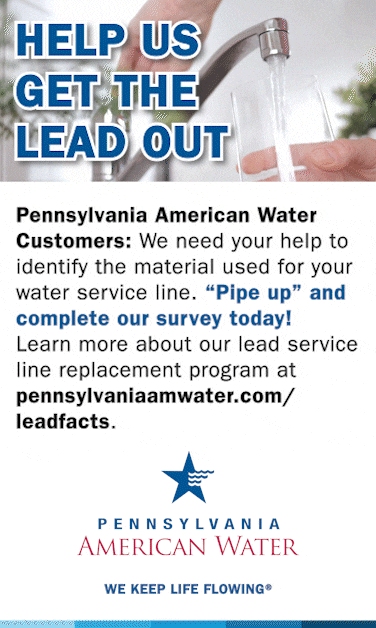
Learn more at Pennsylvania American Water, the largest investor-owned water utility in the state, providing high-quality and reliable water and/or wastewater services to approximately 2.4 million people. Pennsylvania American Water plans to invest approximately $525 million-$625 million annually to upgrade our water and wastewater systems. These investments are necessary to improve treatment facilities, storage tanks, wells, and pumping stations to ensure that your water and wastewater service meets all regulatory standards.