
Pennsylvania sits at a crossroads. Our state’s water and wastewater systems — the invisible network of pipes, treatment plants, and monitoring stations that deliver clean water to millions — are facing unprecedented challenges from aging infrastructure and contaminants.
As someone who has spent years working to ensure safe drinking water reaches every tap, I can tell you the decisions we make today about infrastructure investment will determine whether our future generations inherit a water system that protects their health … or one that puts them at risk.
My journey in water protection began with environmental science and a commitment to public health shaped during my years with the Pennsylvania Department of Environmental Protection. That experience taught me that protecting water isn’t just about regulations and treatment technologies; it’s about the people and communities we serve.
Now with Aqua Pennsylvania, I have a front-row seat and a hands-on role in protecting water quality. During natural disasters or emergency events, the public rarely sees the massive effort and investment happening behind the scenes to keep water flowing safely. Every emergency response — whether a major storm, equipment failure, or contamination event — reinforces why continuous investment is critical to serving our communities reliably.
The Hidden Crisis Beneath Our Feet
The data paints a troubling picture. PFAS represent one of the most pressing threats to Pennsylvania water safety. These “forever chemicals,” used in everything from non-stick cookware to firefighting foam, leach into water systems, never break down naturally, and accumulate in our bodies over decades. Meanwhile, the American Society of Civil Engineers gave our nation’s drinking water systems a C- grade, a clear warning for Pennsylvania communities.
Beyond emerging contaminants, we’re battling infrastructure decay. Water mains dating to the early 1900s, treatment plants requiring major upgrades, and service lines posing health risks create a perfect storm of challenges that demand immediate action.
Proactive Solutions for Tomorrow’s Taps
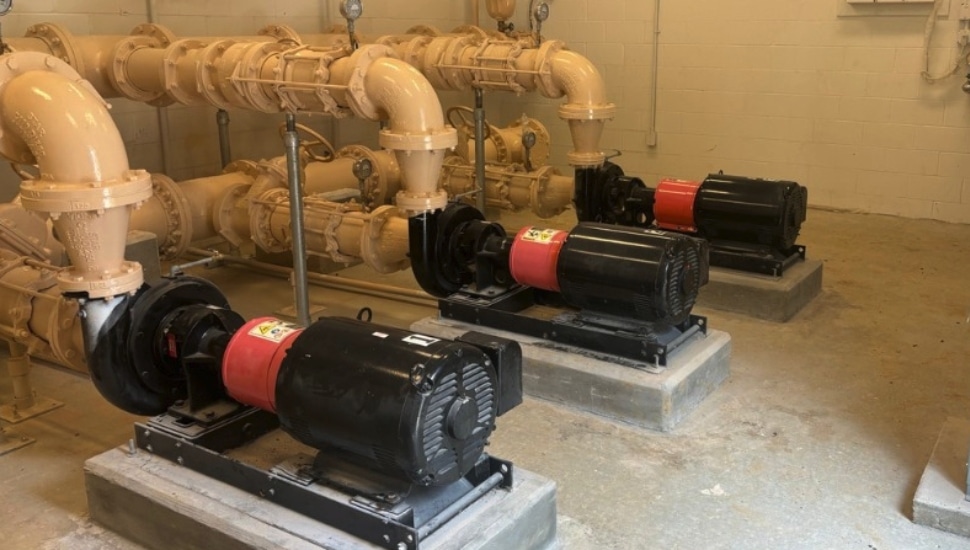
Rather than wait for mandates, Aqua Pennsylvania took early action. We began PFAS testing in 2016, and in 2020, we talked with the CDC, state health officials, and other water experts and decided to set stricter limits on PFAS exposure in the water systems we managed. At that time, the EPA health advisory said anything below 70 parts per trillion was safe; we set our own limit. We’ve been building treatment facilities and treating water that exceeds 13 parts per trillion since then, and are building systems to comply with the upcoming 4 parts per trillion limit from the U.S. EPA in 2029.
This forward-thinking approach continues to deliver results. Since 2021, we’ve secured more than $56 million in funding for PFAS treatment projects from PENNVEST funding to add PFAS treatment to 26 wells across the Commonwealth.
Aggressively applying for and securing alternative construction funding sources helps mitigate the impact of this necessary work on our customers. We have filed lawsuits against the chemical companies and manufacturers responsible for contaminating the watershed with these dangerous chemicals. Any funds we receive from these legal actions will be used to cover the cleanup costs in the affected areas, so customers won’t have to bear these necessary expenses.
Lead contamination demands equal urgency. With 9.2 million lead service lines still serving American homes and 6 percent of Pennsylvania’s water systems containing lead or galvanized lines requiring replacement, we’re not waiting for the EPA’s 2037 deadline.
Our Lead Service Line Replacement Program replaced over 1,000 lines in 2024 and more than 700 so far this year. Since 2023, we’ve secured $5.6 million in state funding for lead service line replacements across the state — another critical way we make critical infrastructure upgrades with minimal financial impact to our customers.
The Economics of Safe Water: Understanding Your Investment
Here’s what our customers may not realize: water infrastructure investment isn’t optional but essential. Federal and state regulations demand increasingly strict water quality standards, driving compliance costs higher as new contaminants are regulated. EPA rules for PFAS treatment and lead service line replacement aren’t suggestions; they’re federal mandates with strict deadlines and severe penalties for non-compliance.
Our operations require 24/7 monitoring systems, testing water quality thousands of times each month. We maintain treatment facilities with specialized equipment removing contaminants measured in parts per trillion — technology that didn’t exist a generation ago. We replace aging pipes before they fail, preventing service disruptions and health risks.
The alternative — reactive crisis management — costs everyone far more. Every infrastructure dollar invested today prevents multiple dollars in emergency repairs tomorrow.
A Vision for Pennsylvania’s Future
These challenges are solvable through sustained investment and expertise. Pennsylvania can lead in water safety and infrastructure resilience, but utilities cannot succeed alone. We need continued state and federal funding support and shared recognition that water infrastructure is essential infrastructure.
Pennsylvania faces a unique opportunity. With proven technologies and utilities ready to act, we can transform our water systems from liability into a competitive advantage. The question isn’t whether we can afford water infrastructure investment but whether we can afford not to invest.
By investing in our water systems today, we can ensure future generations inherit safe, reliable water — a foundation for health, prosperity, and community resilience. The time to act is now.
Learn more about Aqua Pennsylvania’s commitment to protecting your water.